


Ecologist’s Corner: Protecting the Wildlife Corridor
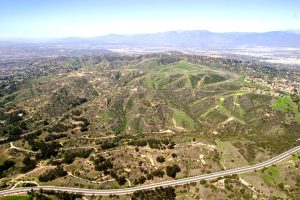
From above, Southern California appears as a patchwork of cities and open space—but for wildlife like mountain lions, moving through this landscape often means navigating roads, development, and increasing risk.
Habitat loss and fragmentation are leading drivers of biodiversity decline, limiting wildlife movement and weakening ecosystem resilience. Connected landscapes are essential to sustaining both wildlife and the ecosystem services our communities rely on.
The Puente-Chino Hills Wildlife Corridor is contiguous open space that biologically links the Puente Hills Preserve, Chino Hills State Park, and the Cleveland National Forest.
These lands are a crucial biodiversity hotspot and support a rich diversity of native species—from mountain lions and mule deer to threatened California gnatcatchers and oak and walnut woodlands. Ensuring wildlife can move across the full length of the corridor is critical to maintaining healthy, functioning ecosystems. While strong public investment and regional collaboration have protected much of the corridor through a network of parks and reserves, critical gaps remain. Ongoing and proposed development in these areas could further fragment habitat and constrain wildlife movement.
Solutions are already making a difference. Wildlife crossings, such as the Coal Canyon underpass beneath the 91 Freeway and the Harbor Boulevard wildlife underpass at the eastern end of the Puente Hills Preserve, provide safer passage for animals while also improving motorist safety. The Harbor Boulevard crossing, built nearly 20 years ago, remains Los Angeles County’s only underpass structure specifically designed to support wildlife movement.
By continuing to protect open space and invest in connectivity solutions, we can safeguard biodiversity, strengthen ecosystem function, and support the long-term sustainability of this remarkable landscape we call home.