


by Michelle Mariscal, Habitat Authority Ecologist
Although autumn may seem like a quieter season, the Preserve is full of activity. From migrating birds and foraging wildlife to dispersing seeds and changing foliage, nature is busy preparing for the season ahead.
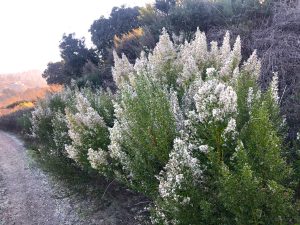
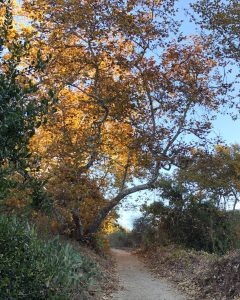
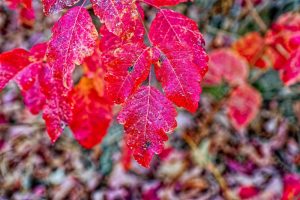
Southern California Black Walnut and Western Sycamore trees turn shades of golden yellow and brown, while poison oak puts on a brilliant display of reds and oranges before dropping its leaves. Coyote Bush produces clusters of fluffy white seeds that catch the breeze and disperse across the landscape, helping ensure the next generation of this valuable native shrub.
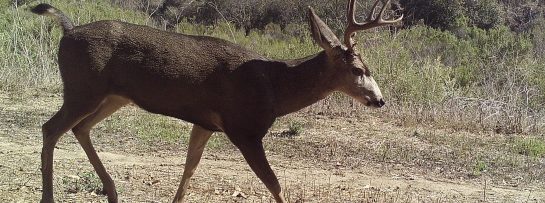
For mule deer, autumn marks the beginning of the rut, or mating season. Bucks show off their impressive antler racks and compete for the attention of female does. Meanwhile, our nocturnal neighbors, the bats, begin reducing their activity as cooler temperatures and declining insect populations make feeding more challenging. Many enter a state called torpor, slowing their metabolism to conserve energy until conditions improve.
Autumn is also an important time for birds. Migratory species begin moving through Southern California, with some heading south and others settling into local habitats for the winter. Keep an eye out for changing bird activity as the Preserve welcomes seasonal visitors. On the ground, falling acorns from Coast Live Oaks provide an important food source for birds, squirrels, and other wildlife, helping them build energy reserves for the months ahead.
And, of course, autumn’s fallen leaves do more than create colorful scenery. As they decompose, they return nutrients to the soil, while the first seasonal rains help awaken dormant seeds, fungi, and soil organisms, setting the stage for winter’s green growth and spring wildflowers.
Autumn brings a subtle but beautiful transformation to the Preserve. Take a closer look on your next visit—you may be surprised by how much is happening!
 |  |  |